



Understanding Post-Training Stiffness
After an intense workout, it is common to feel stiffness in the knees, especially following activities like squats, lunges, running, jumping, or cycling. This stiffness is the result of micro-tears in muscle fibers, fluid buildup around the joint, and temporary inflammation triggered by physical stress.
Contents
ToggleWhile this response is a normal part of adaptation, excessive or prolonged stiffness can interfere with mobility, delay recovery, and reduce performance in subsequent training sessions. If not managed properly, it can gradually contribute to overuse discomfort and joint fatigue.
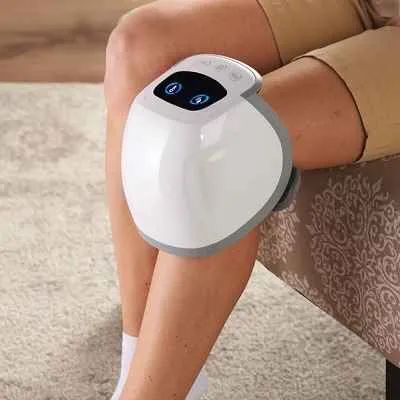
This is where recovery tools like a professional-grade knee massager uk can make a meaningful difference.
Why the Knee Is Prone to Post-Workout Tightness
The knee joint is surrounded by multiple large muscle groups, including the quadriceps, hamstrings, calves, and hip stabilizers. During training, these muscles work together to absorb force and control movement.
When these muscles become fatigued, they often tighten as a protective response. This tightness increases pressure on the knee joint and reduces smooth movement. In addition, repetitive training can slow down circulation in the lower limbs, making it harder for the body to clear metabolic waste efficiently.
The result is a feeling of heaviness, stiffness, or restricted motion after exercise.
What Makes a Professional-Grade Knee Massager Different
A professional-grade knee massager is designed to provide more precise, consistent, and adjustable recovery support compared to basic devices. It typically includes advanced features such as multi-level compression, heat therapy, vibration modes, and ergonomic wrapping systems that contour closely to the knee joint.
These features allow for targeted therapy that adapts to different levels of post-training fatigue. Lower intensity settings can be used for mild soreness, while higher settings may support deeper muscle relaxation when needed.
The combination of technologies helps create a more complete recovery experience by addressing both surface-level tightness and deeper muscular fatigue.
How a Knee Massager Reduces Stiffness
One of the primary ways a knee massager helps reduce post-training stiffness is by improving blood circulation around the joint. Increased blood flow delivers oxygen and nutrients to tired muscles, which supports faster recovery and reduces soreness.
Compression therapy plays an important role by gently stimulating fluid movement in the tissues. This helps reduce swelling and prevents fluid buildup that can contribute to stiffness.
Heat therapy further enhances relaxation by increasing tissue elasticity. Warm muscles respond better to gentle stretching and recovery, allowing the knee joint to regain mobility more easily.
Vibration or rhythmic stimulation, when included, helps activate nerve pathways that promote relaxation and reduce the sensation of tightness.
Post-Training Recovery Benefits
Using a professional-grade knee massager after training can significantly improve recovery outcomes. One of the most noticeable benefits is reduced muscle tightness around the knee, which helps restore normal movement more quickly.
It also helps reduce delayed onset muscle stiffness that often appears several hours after exercise. By addressing tightness early, the recovery process becomes smoother and less uncomfortable.
Another benefit is improved joint mobility. When surrounding muscles are relaxed, the knee can move more freely, which is especially important for athletes who train daily or follow high-frequency workout routines.
Integrating a Knee Massager Into Recovery Routines
For best results, a knee massager should be used as part of a structured post-training routine. A typical session lasts between 10 and 20 minutes, depending on the intensity of the workout and the level of stiffness.
Immediately after training, a short cooling-down period followed by gentle massage can help initiate recovery. This is especially effective after leg-focused workouts where the knees are heavily engaged.
On rest days, lighter sessions can be used to maintain flexibility and prevent stiffness from building up between workouts.
Consistency is key. Regular use helps the body adapt more efficiently to training stress and reduces the likelihood of persistent tightness.
Supporting Long-Term Training Performance
Minimizing post-training stiffness is not just about comfort—it directly impacts long-term performance. When recovery is efficient, athletes can train more consistently without extended downtime or reduced mobility.
A professional-grade knee massager supports this by keeping the muscles and joints in a more balanced state. Over time, this helps reduce cumulative strain on the knees and supports healthier movement patterns.
This is especially valuable for individuals engaged in strength training, endurance sports, or physically demanding fitness routines.
Safe Use for Optimal Results
While professional-grade knee massagers offer advanced features, they should still be used with care. Intensity should be adjusted based on comfort levels, and sessions should never cause pain or excessive pressure.
The device should be applied to the surrounding muscles rather than directly forcing pressure on sensitive joint areas. If soreness increases after use, intensity should be reduced or sessions shortened.
Listening to the body ensures that recovery remains beneficial rather than overstimulating.
Conclusion
Post-training stiffness is a natural response to physical stress, but it does not need to interfere with recovery or performance. A professional-grade knee massager provides an effective way to reduce tightness, improve circulation, and restore mobility after exercise.
When used consistently and correctly, it supports faster recovery and helps maintain long-term joint health. For athletes and fitness enthusiasts, it becomes a valuable tool for minimizing stiffness and keeping training performance strong and sustainable.
