



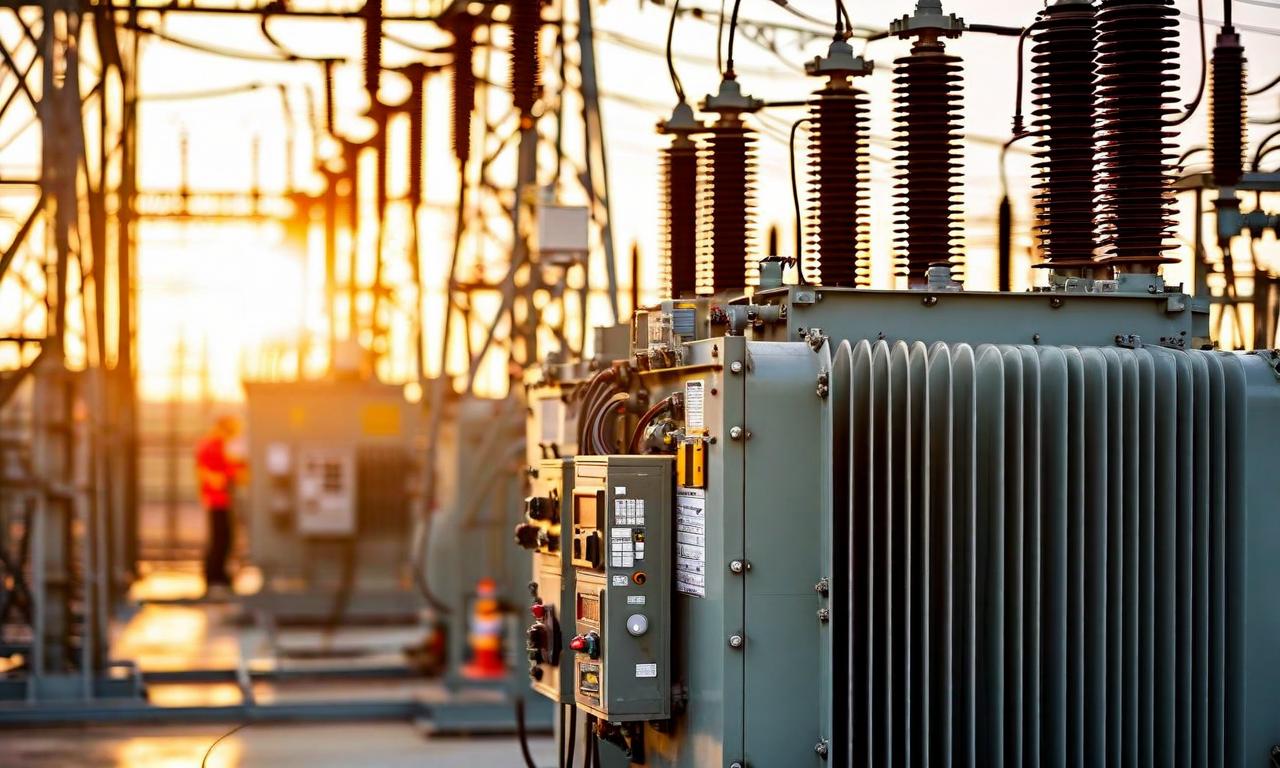
Selecting the right transformer is one of the most important decisions for any industrial project in the United States. Whether it is a manufacturing facility, renewable energy plant, commercial complex, processing unit, or utility infrastructure project, the transformer directly affects operational safety, efficiency, maintenance costs, and long-term reliability. Today, industries are mainly choosing between two major transformer categories: Dry-type transformers and Oil-filled transformers.
As industrial projects across the US continue to modernize with energy-efficient systems, automation, and stricter safety standards, choosing the right transformer technology has become more critical than ever. Both transformer types offer distinct advantages, but the ideal option depends on project location, application, load requirements, environmental conditions, and compliance needs.
Leading industrial transformer manufacturers are now providing customized transformer solutions for different industrial sectors, making it easier for project owners and EPC contractors to select systems tailored to their operational goals.
What Are Dry-Type Transformers?
Dry-type transformers use air instead of insulating oil for cooling. These transformers typically rely on cast resin or vacuum pressure impregnated (VPI) insulation systems to manage temperature and electrical insulation safely.
One of the biggest reasons Dry-type transformers are widely used in indoor industrial applications is their enhanced fire safety. Since they do not contain flammable insulating oil, they significantly reduce fire risks in enclosed facilities such as hospitals, data centers, commercial buildings, food processing plants, and chemical industries.
Modern dry-type transformer designs also support lower environmental impact and easier installation. Many US industrial projects prefer them for locations where strict fire protection standards or indoor operation requirements apply.
Another advantage is reduced maintenance. Since there is no transformer oil involved, operators do not need regular oil testing, leakage inspections, or contamination management. This helps reduce operational downtime over the long term.
However, dry-type systems generally have lower overload capacity compared to oil-cooled systems and may not always be the most cost-effective option for very high-capacity outdoor industrial operations.
What Are Oil-Filled Transformers?
Oil-filled transformers use insulating mineral oil or environmentally friendly insulating fluids for cooling and insulation. These transformers are commonly used in heavy industrial applications, utility substations, renewable energy projects, and large-scale power distribution systems.
The main advantage of Oil-filled transformers is superior cooling efficiency. Because oil dissipates heat more effectively than air, these transformers can handle higher loads and larger capacities more efficiently. This makes them highly suitable for industries with continuous heavy power demand.
US industrial sectors such as steel plants, mining operations, petrochemical facilities, and utility infrastructure projects frequently use oil-filled transformer technology because of its durability and strong performance under demanding conditions.
Modern oil-filled transformer systems are now being designed with advanced monitoring technology, improved sealing systems, and eco-friendly insulating fluids to meet current environmental and safety expectations in the American market.
Although they require more maintenance than dry-type systems, their operational efficiency and long service life often make them a preferred solution for high-capacity industrial applications.
Which Transformer Is Better for Indoor Industrial Projects?
For indoor installations, Dry-type transformers are often considered the safer and more practical choice. Facilities such as airports, shopping centers, educational institutions, pharmaceutical plants, and data centers usually prioritize fire safety and environmental cleanliness.
Since dry-type units do not use oil, they eliminate the risk of oil leakage and reduce concerns related to hazardous spills. In many US states where strict building and fire regulations apply, dry-type systems are increasingly preferred for indoor electrical distribution.
Their compact installation flexibility is another advantage. They can often be installed closer to load centers, helping improve power efficiency and reducing cable losses.
Why Are Oil-Filled Transformers Still Dominating Heavy Industrial Applications?
Despite the growing popularity of dry-type systems, Oil-filled transformers continue to dominate many industrial sectors due to their unmatched performance in high-load environments.
Heavy manufacturing facilities and utility-grade operations require transformers capable of operating continuously under extreme electrical demand. Oil cooling provides better thermal management, allowing these transformers to support larger capacities without excessive heating.
Outdoor industrial projects across the US also benefit from the durability of oil-filled systems in varying weather conditions. Their ability to operate efficiently in large-scale power transmission and distribution networks keeps them highly relevant in modern infrastructure development.
Many industrial transformer manufacturers now offer highly efficient oil-filled models with improved safety features, corrosion protection, and advanced cooling technologies designed specifically for modern industrial power systems.
How Energy Efficiency Is Influencing Transformer Selection
Energy efficiency regulations in the United States are influencing transformer purchasing decisions more than ever before. Industrial facilities are actively looking for transformer systems that reduce energy losses and improve long-term operational savings.
Both Dry-type transformers and oil-filled systems are now being engineered to comply with modern energy efficiency requirements. However, oil-filled systems often provide better efficiency for larger capacities because of their superior cooling performance.
At the same time, dry-type systems are gaining popularity in sustainable infrastructure projects due to their lower environmental risk and easier integration within green building initiatives.
Industrial buyers today are no longer selecting transformers based only on upfront cost. Instead, they are evaluating lifecycle performance, maintenance requirements, energy savings, environmental impact, and compliance standards before making a final decision.
Which Transformer Should US Industrial Projects Choose?
There is no universal answer because every industrial project has unique operational requirements.
Dry-type transformers are generally ideal for indoor applications where fire safety, environmental protection, and low maintenance are top priorities. They work especially well in commercial facilities, institutional buildings, and sensitive industrial environments.
Oil-filled transformers are usually the preferred choice for outdoor operations, heavy industrial plants, utility projects, and applications requiring higher power capacity and stronger thermal performance.
The best approach is to work closely with experienced industrial transformer manufacturers that understand US industry regulations, project-specific load demands, and modern efficiency requirements. A properly selected transformer can improve operational stability, reduce maintenance costs, and support long-term industrial growth.
FAQs
Which transformer is safer for indoor industrial use?
Dry-type transformers are generally considered safer for indoor installations because they do not contain flammable insulating oil. This reduces fire hazards and environmental risks.
Are oil-filled transformers more efficient?
Oil-filled transformers typically provide better cooling efficiency and higher load handling capability, especially for large industrial and utility applications.
Do dry-type transformers require less maintenance?
Yes, Dry-type transformers usually require less maintenance because there is no oil testing, filtration, or leak management involved.
Where are oil-filled transformers commonly used?
Oil-filled transformers are widely used in utility substations, manufacturing plants, renewable energy projects, mining operations, and heavy industrial facilities.
How do industrial transformer manufacturers help with project selection?
Experienced industrial transformer manufacturers evaluate load requirements, installation conditions, environmental factors, and compliance standards to recommend the most suitable transformer solution for each project.
