



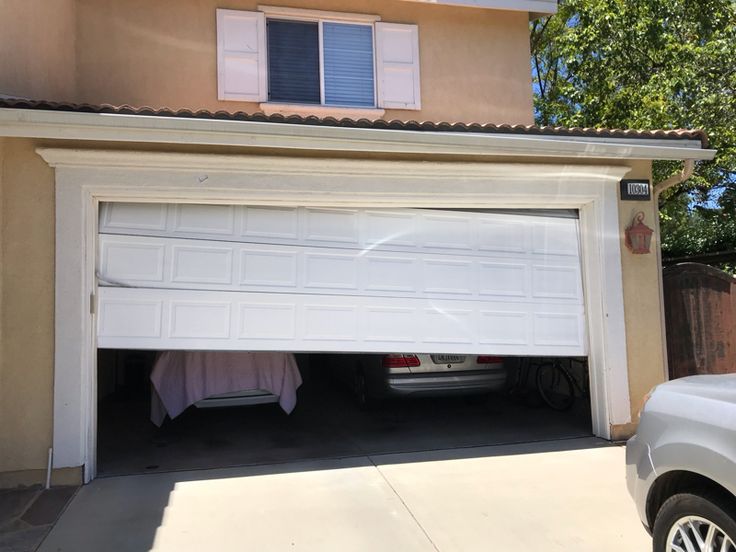
Garage doors play a critical role in the functionality, security, and appearance of both residential and commercial properties. While they may seem similar at first glance, commercial and residential garage doors are designed for very different purposes. These differences affect everything from materials and construction to installation requirements and maintenance needs.
Understanding the distinctions between commercial and residential garage door installations is essential for property owners, builders, and facility managers. Choosing the right type of garage door repair ensures optimal performance, compliance with safety regulations, and long-term value.
This guide explores the key differences between commercial and residential garage doors, with a special focus on how installation requirements vary between the two.
Understanding Residential Garage Doors
Residential garage doors are designed primarily for homes and private garages. Their main purpose is to provide secure access for vehicles while enhancing curb appeal and protecting stored belongings.
Homeowners often prioritize:
- Appearance
- Insulation
- Energy efficiency
- Quiet operation
- Security
- Ease of use
Residential garage doors are available in a wide variety of styles, materials, and finishes to complement different architectural designs.
Understanding Commercial Garage Doors
Commercial garage doors are engineered for businesses, warehouses, industrial facilities, fire stations, service centers, storage facilities, and other high-traffic environments.
Commercial properties typically prioritize:
- Durability
- Security
- Operational efficiency
- Frequent usage capability
- Regulatory compliance
- Heavy-duty performance
These doors are built to withstand significantly more wear and tear than residential systems.
Difference #1: Door Size and Dimensions
One of the most noticeable differences between residential and commercial garage doors is size.
Residential Garage Doors
Typical residential garage doors range from:
- 8 to 10 feet wide for single-car garages
- 16 to 18 feet wide for double-car garages
- 7 to 8 feet high
These dimensions are suitable for personal vehicles and household storage.
Commercial Garage Doors
Commercial doors are often much larger.
Common applications require openings large enough for:
- Delivery trucks
- Commercial vehicles
- Forklifts
- Heavy equipment
- Emergency vehicles
Commercial doors may exceed 20 feet in width and height depending on the facility’s needs.
Installation Impact
Larger doors require:
- Heavier structural support
- Reinforced mounting systems
- More powerful lifting mechanisms
- Specialized installation equipment
This significantly increases installation complexity.
Difference #2: Materials and Construction
Residential Garage Doors
Residential models commonly use:
- Steel
- Aluminum
- Wood
- Fiberglass
- Composite materials
Many are designed with aesthetics in mind.
Commercial Garage Doors
Commercial doors are typically constructed from:
- Heavy-gauge steel
- Reinforced aluminum
- Industrial-grade materials
The emphasis is on durability rather than decorative appearance.
Installation Impact
Commercial installations often require:
- Stronger framing
- Additional anchoring systems
- Reinforced hardware
- Structural evaluations
The heavier construction demands more robust support systems.
Difference #3: Frequency of Use
Residential Doors
Most residential garage doors operate a few times per day.
Typical usage may include:
- Morning departure
- Evening return
- Occasional errands
The average residential door experiences relatively light use.
Commercial Doors
Commercial doors may operate dozens or even hundreds of times daily.
Examples include:
- Loading docks
- Distribution centers
- Vehicle service facilities
- Parking garages
Installation Impact
Commercial systems require:
- High-cycle springs
- Industrial-grade rollers
- Heavy-duty tracks
- Enhanced opener systems
These components are specifically designed for continuous operation.
Difference #4: Track Configurations
Residential Installations
Residential garage doors typically use standard track systems that follow the ceiling line.
Common configurations include:
- Standard lift
- Low headroom
- High-lift systems
Commercial Installations
Commercial properties often require specialized track layouts.
Options may include:
- Vertical lift systems
- Full vertical lift tracks
- High-lift tracks
- Custom configurations
Installation Impact
Commercial installations frequently involve more complex engineering and planning to accommodate building layouts and operational needs.
Difference #5: Spring Systems
Residential Doors
Most residential garage doors use:
- Torsion springs
- Extension springs
These systems are designed for moderate daily use.
Commercial Doors
Commercial garage doors rely primarily on heavy-duty torsion spring systems engineered for high-cycle performance.
Installation Impact
Commercial springs:
- Are larger and more powerful
- Require specialized tools
- Demand greater installation expertise
- Involve higher safety considerations
Professional installation is especially critical.
Difference #6: Opener Systems
Residential Openers
Residential garage door openers prioritize:
- Convenience
- Quiet operation
- Smart home integration
Common types include:
- Chain-drive
- Belt-drive
- Screw-drive
- Wall-mounted openers
Commercial Openers
Commercial operators are built for:
- High usage
- Larger door weights
- Continuous operation
Common systems include:
- Jackshaft operators
- Hoist operators
- Trolley operators
- Industrial-duty motors
Installation Impact
Commercial opener installation often requires:
- Dedicated electrical circuits
- Specialized controls
- Advanced safety features
- Professional programming
Difference #7: Safety Requirements
Residential Safety Features
Residential systems typically include:
- Photo-eye sensors
- Auto-reverse mechanisms
- Emergency release systems
Commercial Safety Features
Commercial installations often require additional safety equipment.
Examples include:
- Advanced sensor systems
- Motion detection devices
- Warning lights
- Audible alarms
- Edge sensors
Installation Impact
Commercial projects may involve stricter regulatory compliance and more extensive safety testing.
Difference #8: Building Code Compliance
Residential Codes
Residential garage door installations must comply with local building codes related to:
- Wind resistance
- Structural integrity
- Electrical requirements
Commercial Codes
Commercial installations often face additional regulations involving:
- Fire safety
- Occupational safety standards
- Accessibility requirements
- Industrial building codes
Installation Impact
Commercial projects frequently require:
- Permits
- Inspections
- Engineering approvals
- Documentation
The installation process is generally more complex and regulated.
Difference #9: Insulation Requirements
Residential Doors
Homeowners often prioritize insulation to improve:
- Energy efficiency
- Indoor comfort
- Noise reduction
Insulated garage doors are common in residential applications.
Commercial Doors
Commercial insulation needs vary depending on the facility.
Examples include:
- Climate-controlled warehouses
- Refrigerated facilities
- Manufacturing plants
Installation Impact
Heavier insulated doors require stronger support systems and specialized installation techniques.
Difference #10: Security Features
Residential Security
Homeowners often focus on:
- Smart locks
- Rolling code technology
- Smartphone access
Commercial Security
Commercial facilities may require:
- Access control systems
- Keycard entry
- Integrated security networks
- Surveillance integration
Installation Impact
Commercial installations often involve coordination with broader building security systems.
Difference #11: Installation Time
Residential Installation
Most residential garage door installations can be completed within a single day.
The process generally includes:
- Removing the old door
- Installing tracks and hardware
- Mounting the opener
- Testing operation
Commercial Installation
Commercial installations often require multiple days depending on:
- Door size
- Structural modifications
- Electrical work
- Safety system integration
Larger projects may involve multiple installation teams.
Difference #12: Maintenance Expectations
Residential Systems
Routine maintenance typically includes:
- Lubrication
- Spring inspections
- Sensor testing
Maintenance schedules are generally less demanding.
Commercial Systems
Commercial doors require more frequent inspections due to higher usage levels.
Maintenance often includes:
- Hardware inspections
- Track alignment checks
- Spring evaluations
- Operator servicing
Regular preventive maintenance is critical for minimizing downtime.
Cost Differences
Installation costs vary significantly between residential and commercial systems.
Residential Costs
Factors influencing costs include:
- Door material
- Insulation level
- Style selection
- Opener type
Commercial Costs
Commercial installations may involve additional expenses related to:
- Engineering requirements
- Specialized equipment
- Larger doors
- Advanced safety systems
Although commercial systems typically cost more, they are designed to handle substantially greater demands.
Choosing the Right Door for Your Needs
When selecting a garage door, consider:
- Building type
- Daily usage requirements
- Security needs
- Energy efficiency goals
- Budget
- Future operational demands
Choosing the correct system ensures optimal performance and long-term reliability.
The Importance of Professional Installation
Whether installing a residential or commercial garage door, professional installation is essential.
Experienced installers help ensure:
- Proper alignment
- Safe spring handling
- Correct hardware installation
- Code compliance
- Reliable operation
For commercial projects, professional expertise becomes even more important due to the increased complexity and regulatory requirements.
Final Thoughts
While commercial and residential garage doors may appear similar from a distance, they are fundamentally different systems designed for distinct purposes. Commercial garage doors prioritize durability, high-cycle performance, and industrial-grade security, while residential doors focus on aesthetics, convenience, insulation, and everyday functionality.
These differences significantly impact installation requirements, from structural support and track configurations to opener systems and safety features. Understanding these distinctions helps property owners choose the right solution for their specific needs and ensures that the installation process delivers long-term performance, safety, and value.
Whether you’re upgrading a home garage or outfitting a commercial facility, selecting the appropriate garage door system and working with qualified installers is the key to a successful project.
