



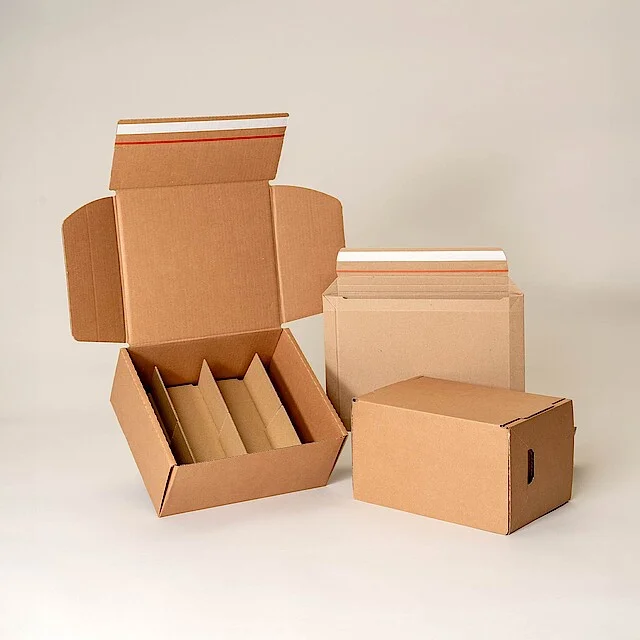
Shipping boxes are a part of everyday life, whether you run an online store, ship products to customers, or move items from one place to another. Most people see shipping boxes as simple containers, but they are carefully designed packaging solutions made from specific materials that protect goods during transport. Understanding what shipping boxes are made of can help you choose the right type for your needs, reduce damage, and even make more environmentally friendly decisions.
The Primary Material Used in Shipping Boxes
Most shipping boxes are made from corrugated cardboard. This material is strong, lightweight, and designed to handle pressure and impact during shipping. Corrugated cardboard is not the same as regular cardboard. Instead, it consists of multiple layers that work together to provide strength and durability.
Corrugated cardboard typically has three layers. The outer layers are flat sheets of paper known as liners. Between these liners is a wavy layer called the flute. This fluted layer acts as a cushion and gives the box its strength. The air pockets created by the fluting help absorb shocks and protect items inside the box.
The strength of shipping boxes depends on the thickness and type of flute used. Thicker flutes provide more cushioning, while thinner flutes offer better printing surfaces and are often used for lighter items.
Paper Materials Used in Shipping Boxes
Shipping boxes are made from different types of paper materials, each chosen for a specific purpose. The most common paper materials include kraft paper and recycled paper.
Kraft paper is one of the strongest paper materials used in shipping boxes. It is made from softwood trees and is known for its durability and tear resistance. This is why many shipping boxes have a brown exterior. Kraft paper helps protect packages from punctures and rough handling during transit.
Recycled paper is also widely used in shipping boxes. Many manufacturers combine recycled fibers with new fibers to create strong and sustainable packaging. Using recycled materials reduces waste and makes shipping boxes more environmentally friendly.
The balance between new and recycled paper fibers determines how strong and durable the final box will be.
Types of Corrugated Board Used in Shipping Boxes
Shipping boxes come in different strengths depending on how many layers of corrugated material they contain. The most common types include single wall, double wall, and triple wall boards.
Single wall shipping boxes have one layer of fluting between two liners. These are commonly used for lightweight items such as clothing, books, and small electronics.
Double wall shipping boxes have two layers of fluting and three liner boards. These boxes are stronger and are used for heavier or fragile items.
Triple wall shipping boxes have three layers of fluting and four liners. These are extremely strong and are typically used for industrial shipments or very heavy products.
Choosing the right board type ensures that shipping boxes can handle the weight and protect the contents properly.
The Role of Fluting in Shipping Boxes
Fluting is the wavy layer found between the flat liner boards in corrugated cardboard. It plays a key role in the performance of shipping boxes.
Different flute sizes provide different benefits. Larger flutes provide better cushioning and stacking strength, while smaller flutes provide better crush resistance and smoother surfaces for printing.
Common flute types include A flute, B flute, C flute, E flute, and F flute. Each type is selected based on the weight of the product and the level of protection required.
Fluting also helps shipping boxes maintain their shape under pressure, which is especially important when boxes are stacked during transport or storage.
Additives and Treatments in Shipping Boxes
Shipping boxes are often treated or enhanced to improve their performance. These treatments can make the boxes more resistant to moisture, grease, or rough handling.
Some shipping boxes include water-resistant coatings. These coatings help protect the box and its contents from humidity or light rain during transit.
Other boxes may include wax coatings or special chemical treatments that make them stronger or more durable. These treatments are often used for food packaging or items that need extra protection.
In some cases, shipping boxes may also include printed labels, inks, or adhesives. These materials help with branding, handling instructions, and shipping information.
Adhesives Used in Shipping Boxes
Adhesives play an important role in holding shipping boxes together. Most shipping boxes use starch-based adhesives to bond the layers of corrugated cardboard.
Starch adhesives are commonly used because they are strong, cost-effective, and environmentally friendly. These adhesives help keep the layers of the box firmly attached even under stress.
Hot melt adhesives and other types of glue may also be used in certain types of shipping boxes, especially where extra strength is required.
The quality of adhesives affects how well shipping boxes hold up during shipping and handling.
Eco-Friendly Materials in Shipping Boxes
Many modern shipping boxes are designed with sustainability in mind. Manufacturers often use recycled paper and environmentally friendly adhesives to reduce environmental impact.
Shipping boxes made from recycled materials can still be strong and reliable. Many are also designed to be recyclable after use, making them a more sustainable packaging option.
Some shipping boxes are also biodegradable, meaning they break down naturally over time. This helps reduce landfill waste and supports environmentally responsible shipping practices.
Businesses that use eco-friendly shipping boxes can reduce their carbon footprint and appeal to environmentally conscious customers.
Specialty Materials Used in Shipping Boxes
While corrugated cardboard is the most common material, some shipping boxes include additional materials for extra protection.
Some shipping boxes include foam inserts to protect fragile items. These inserts help prevent movement and absorb shocks during transport.
Plastic coatings may be used in certain shipping boxes to protect against moisture. These are often used for items that need extra protection from water damage.
In some cases, shipping boxes may also include reinforced edges or corners made from stronger materials. These reinforcements help protect heavy or valuable items.
Why Material Choice Matters
The materials used in shipping boxes directly affect how well they perform. Strong materials protect items from damage, while lightweight materials help reduce shipping costs.
Choosing the right shipping boxes depends on several factors, including the weight of the item, the distance it will travel, and the level of protection required.
Using the wrong type of box can lead to damaged products, higher costs, and unhappy customers. That is why understanding what shipping boxes are made of is important for anyone who ships products regularly.
Conclusion
Shipping boxes may seem simple, but they are made from carefully selected materials designed to protect items during transport. From corrugated cardboard and kraft paper to adhesives and coatings, each component plays an important role in the strength and durability of the box.
By understanding what shipping boxes are made of, businesses and individuals can make better packaging decisions. The right materials help ensure products arrive safely while also supporting cost-effective and environmentally responsible shipping.
