



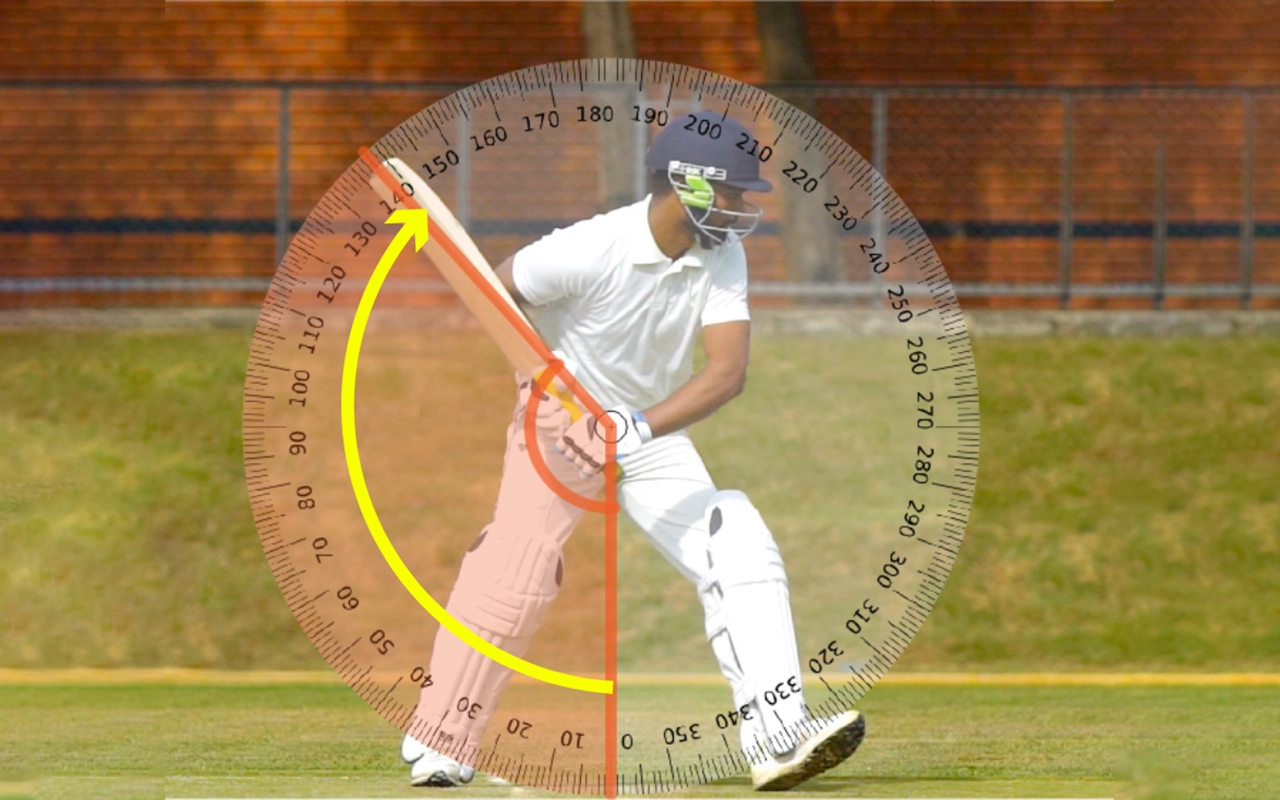
Batting in cricket is often seen as an art — a graceful blend of timing, precision, and power. But behind that artistry lies a deep foundation of science. Every movement, from a batsman’s stance to the follow-through, is governed by principles of physics, biomechanics, and human physiology. Understanding the science behind batting not only improves performance but also helps players master consistency under pressure.
The Importance of Balance and Stance
A perfect batting technique begins with a stable stance. Balance is the foundation upon which every successful shot is built. The feet should be shoulder-width apart, knees slightly bent, and weight distributed Jeetbuzz evenly. This position allows the batsman to move quickly in any direction — forward, backward, or sideways — depending on the ball’s line and length.
From a biomechanical perspective, balance ensures efficient energy transfer. When the body remains centered, power generated from the legs and core can flow smoothly through the arms and into the bat, resulting in cleaner and more controlled shots.
Timing and the Physics of Impact
Timing is perhaps the most mysterious yet crucial element of batting. It’s not about brute strength but about synchronizing movement with the ball’s speed and trajectory. The science of timing involves kinetic energy and momentum. When the bat meets the ball at the precise moment of maximum velocity, the transfer of energy is optimal — producing that satisfying “sweet spot” sound.
The sweet spot itself is a physical point on the bat where vibrations are minimal and energy transfer is maximum. Hitting the ball here allows for maximum distance with minimum effort, showcasing the perfect blend of physics and skill.
The Role of Vision and Reaction Time
Elite batsmen possess extraordinary hand-eye coordination and lightning-fast reaction times. Studies show that professional players can pick up visual cues — such as the bowler’s wrist position or seam movement — within milliseconds.
The brain processes this visual information and predicts the ball’s path even before it bounces. Training to improve focus and anticipation helps a batsman make these micro-decisions faster, turning split-second reactions into instinctive movements.
Power Generation Through Body Mechanics
A powerful shot doesn’t come solely from the arms. It’s the coordinated effort of multiple body parts — legs, hips, torso, shoulders, and wrists — moving in harmony. This chain of motion, known as the kinetic chain, is central to modern sports science.
As the batsman steps forward, energy is generated from the ground up. The hips rotate, transferring energy through the core, shoulders, and finally into the bat. Proper technique ensures that minimal energy is lost during this process, resulting in explosive yet controlled power.
The Psychology of Batting
Beyond the physical aspects, batting success depends heavily on mental strength. Focus, patience, and confidence are essential to Jeetwin maintaining composure under pressure. Neuroscience plays a role here too — repeated practice helps the brain form neural pathways that make complex batting movements automatic.
Visualization techniques, such as mentally rehearsing shots or anticipating deliveries, have been proven to enhance performance by activating the same brain regions used during actual play.
Adapting Technique to Conditions
Science also explains why batsmen adjust their techniques based on pitch and weather conditions. On fast, bouncy pitches, back-foot play is more effective, while on slower tracks, batsmen rely on footwork and timing to generate pace. Understanding how friction, moisture, and temperature affect ball movement allows players to adapt scientifically, not just instinctively.
The Future of Batting Science
With the rise of technology and analytics, modern cricket now uses motion sensors, high-speed cameras, and biomechanical software to refine batting techniques. Coaches can analyze every millisecond of a batsman’s movement — from head position to bat angle — to identify inefficiencies and improve performance.
As cricket continues to evolve, the science behind batting will play an even greater role in shaping the next generation of players. The perfect batting technique is no longer just about practice — it’s about precision, data, and deep scientific understanding.
Conclusion
Batting is where art meets science. Every graceful cover drive and powerful pull shot is a demonstration of perfect coordination between body mechanics, physics, and psychology. By understanding the scientific principles behind the technique, players can unlock their full potential and bring both beauty and precision to their game.
