



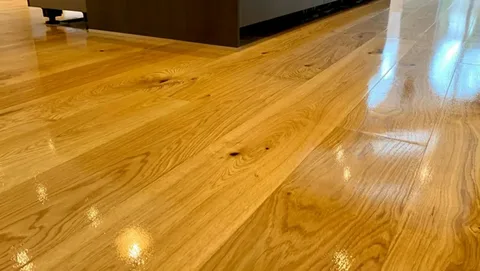
engineered hardwood flooring is a stable, long-lasting flooring solution made by layering real hardwood over a plywood core. It combines the beauty of natural wood with enhanced durability and moisture resistance compared to solid hardwood. This makes it ideal for homes, offices, and spaces prone to humidity changes.
Selecting the right species and wear layer is essential for longevity because not all engineered floors withstand high traffic or heavy use equally. High-quality finishes and a solid core can further extend the floor’s lifespan. Choosing wisely ensures your investment remains beautiful and functional for years.
Factors That Determine the Durability of Engineered Hardwood
Several factors contribute to the overall durability of engineered hardwood flooring. These include the surface wear layer, wood species hardness, and the stability of the core. Understanding these ensures you select a floor that will endure everyday use and last for decades.
Wear Layer Thickness and Quality
The wear layer is the top hardwood surface on engineered boards, and its thickness greatly influences lifespan. Thicker wear layers can be refinished several times, helping the floor maintain its appearance over the years.
- Floors with 3 to 6 millimeters of wear layer are ideal for heavy traffic areas.
- Premium finishes add scratch and stain resistance.
- Thicker layers handle pets, children, and moving furniture with less damage.
Investing in a quality wear layer ensures your floor maintains its elegance for decades, making it a cost-effective choice over time.
Hardwood Species and Janka Hardness Rating
The species of hardwood affects how resistant the floor is to dents and scratches. Popular durable species include:
- Hickory: Janka rating ~1820, very dense and resilient.
- White Oak: ~1360, versatile with excellent wear resistance.
- Brazilian Cherry (Jatoba): ~2350, extremely hard and premium looking.
- Maple: ~1450, balances toughness and smoothness.
High Janka ratings indicate strong resistance to force and daily wear. Choosing a harder species improves the floor’s lifespan while maintaining a beautiful appearance.
Core Construction and Stability
Core construction affects how engineered hardwood stands up to moisture, temperature changes, and seasonal expansion. Multi-ply birch plywood cores offer excellent stability because each layer is stacked in alternating grain directions. This structure helps the floor stay flat even in challenging climates.
A strong core reduces the chances of warping, cupping, and separation between layers. It also improves the overall feel of the floor underfoot by keeping the surface firm and supportive. When durability is a priority, a well-built core is just as important as the surface wood.
4 Most Durable Engineered Hardwood Flooring Options
Expert services offer top-grade engineered hardwood flooring crafted for durability and style. Their floors combine thick wear layers with stable cores and are made from the hardest species, making them ideal for homes and commercial spaces alike.
1. Hickory Engineered Hardwood
Hickory is one of the hardest domestic hardwoods, making it highly resistant to dents, scratches, and impact. Its dramatic grain patterns give each plank a unique, rustic charm, adding warmth and character to any room.
- Janka rating of ~1820 ensures excellent resistance to dents.
- Thick wear layers allow for refinishing multiple times.
- Works well in kitchens, hallways, and family rooms.
Hickory is perfect for families with pets or children because its toughness helps retain a smooth, beautiful surface over time. Adding area rugs in extremely high-traffic spots can further protect the floor while showing off its natural beauty.
2. White Oak Engineered Hardwood
White Oak is a classic choice combining moderate hardness with a uniform grain, making it versatile and easy to coordinate with various decor styles. Its natural warmth and subtle pattern work well in both traditional and modern interiors.
- Janka rating ~1360 provides reliable scratch resistance.
- Blends seamlessly with traditional and modern interiors.
- Durable enough for everyday use while retaining elegance.
White Oak engineered hardwood balances strength with elegance, making it a top choice for homeowners who want a durable yet timeless floor that can adapt to evolving design trends.
3. Brazilian Cherry (Jatoba) Engineered Hardwood
Brazilian Cherry is an exotic hardwood prized for its extreme hardness, deep reddish-brown tones, and luxurious appeal. Its dense structure makes it one of the most durable engineered hardwood options available, suitable for high-traffic residential and commercial spaces.
- Extremely dense, Janka rating ~2350.
- Suitable for commercial and residential high-traffic areas.
- Offers premium aesthetics with exceptional longevity.
Brazilian Cherry is ideal for those looking for a statement floor that combines extreme toughness with high-end aesthetics. Its rich color also tends to deepen over time, creating an evolving, natural charm.
4. Maple Engineered Hardwood
Maple is a hard and smooth domestic species that combines strength with a sleek, contemporary look. It’s fine, consistent grain offers a modern, clean aesthetic while still providing durability for everyday life.
- Janka rating ~1450 ensures everyday wear resistance.
- Smooth surface highlights natural wood patterns.
- Ideal for open spaces and homes with active families.
Maple engineered hardwood is perfect for contemporary homes and high-traffic environments. Pairing it with a protective finish ensures long-term durability and a polished, modern look.
Pro Tip:
For maximum longevity and minimal maintenance, always choose engineered hardwood flooring with a factory-applied finish such as UV-cured polyurethane or aluminum oxide coatings.
Protective Finishes that Enhance Durability
Protective finishes extend the lifespan of engineered flooring by resisting scratches, stains, and wear. Factory finishes and advanced coatings are essential for long-term performance.
- UV-Cured Lacquer and Polyurethane Coatings
UV-cured lacquer and polyurethane coatings are applied at the factory under controlled conditions, creating a hard, durable surface. These finishes provide excellent scratch and scuff resistance, helping protect the wood from daily use.
- Aluminum Oxide and Ceramic Reinforcements
Aluminum oxide and ceramic reinforcements are advanced coatings designed for maximum durability, often used in commercial and high-traffic areas. They incorporate microscopic hard particles into the finish to create an ultra-tough surface layer.
Comparing Engineered Hardwood to Other Flooring Types
Engineered hardwood flooring successfully combines the organic beauty of natural wood with modern manufacturing resilience. This combination positions it as a superior choice when compared to both solid wood and common synthetic alternatives.
Versus Solid Hardwood
Engineered hardwood offers significant performance advantages due to its cross-stacked, multi-layered plywood core.
- It is far more stable than solid wood, especially in environments with changing humidity and temperature. This multi-ply structure virtually eliminates the risk of warping or gapping.
- Engineered wood is the only real wood option that can be safely installed directly in basements or over concrete slabs, where solid wood cannot be used.
Versus Laminate or Luxury Vinyl (LVT/LVP)
Unlike synthetic floors that mimic wood, engineered hardwood offers authentic wood surfaces with lasting durability and value.
- It features a top layer of 100% authentic, real wood. This provides genuine texture, warmth, and natural variation that synthetic materials cannot truly replicate.
- High-quality engineered floors can be refinished multiple times (depending on wear layer thickness). This means you can sand away scratches and wear, restoring the floor’s original look.
- Laminate or vinyl cannot be refinished. They must be completely replaced when damaged.
Choosing engineered hardwood provides the best balance of timeless aesthetics, superior resilience, and excellent long-term value for your home.
Maintenance Tips to Maximize Engineered Hardwood Durability
Consistent, proper care is crucial for preserving your engineered hardwood floors. Implementing simple routines and taking key precautions will protect your investment, ensuring the floor remains beautiful and functional for decades.
Phase 1: Routine Cleaning and Protection
Effective daily maintenance prevents abrasive particles from damaging the protective finish.
- Routine Sweeping: Sweep or vacuum frequently to remove grit and sand. Always use a soft brush attachment or a hardwood-safe vacuum head.
- Safe Mopping: Use only a damp mop (never wet) with cleaning solutions specifically approved by the manufacturer. Avoid excess water at all times.
- Immediate Cleanup: Wipe up all spills, especially liquids, immediately. Moisture penetration is the number one threat to wood floor stability.
Phase 2: Preventing Physical Damage
These steps create physical barriers and environmental controls to shield the floor from everyday hazards.
- Protect Furniture: Place high-quality felt pads under the legs of all heavy and frequently moved furniture (chairs, tables). Check and replace these pads when they wear thin.
- Lift, Don’t Drag: Always lift heavy objects instead of dragging them to prevent deep scratches and gouges.
- Use Mats: Place durable mats or rugs at all exterior entrances to trap dirt and moisture before it reaches the wood surface.
- Control Climate: Maintain stable indoor humidity to prevent excessive wood expansion or contraction.
Phase 3: Long-Term Longevity
Utilize the floor’s construction to plan for long-term restoration and extended life.
- Refinishing Potential: Floors with wear layers of 3 millimeters or thicker can be sanded and refinished multiple times, effectively renewing the surface.
- Advanced Finish: Choose flooring with factory-applied coatings for superior, built-in scratch resistance.
- Recoating: Consider a professional screen and recoat periodically. This renews the surface finish and protects against wear before a full sanding is necessary.
Engineered Hardwood Floor Maintenance Checklist
Use this simple, non-table list to ensure you cover all necessary steps to protect your floor.
- Sweep or vacuum daily/weekly using a soft brush.
- Wipe spills immediately.
- Mop with approved cleaner and minimal water only.
- Use felt pads on all furniture legs.
- Avoid dragging heavy objects across the floor.
- Place rugs at all entry points to trap dirt.
- Maintain stable indoor humidity (35%–55%).
- Plan for periodic screen and recoat of the finish.
Final Words
Choosing the most durable engineered hardwood flooring ensures your investment stays beautiful for years. Hickory, White Oak, Brazilian Cherry, and Maple offer a strong balance of toughness and style, especially when paired with high-quality protective finishes.
For homeowners seeking guidance or premium options, Rustic Wood Floor Supply provides expertly crafted engineered floors that combine lasting performance with aesthetic appeal. Selecting the right species, core construction, and finish helps you enjoy floors that withstand daily wear with minimal maintenance.
FAQs
How durable is engineered hardwood flooring compared to solid hardwood?
Engineered hardwood is highly durable and more stable than solid hardwood in areas with moisture or temperature fluctuations. High-quality species and wear layers can match or exceed solid wood in longevity.
Can engineered hardwood floors be refinished?
Yes, engineered hardwood floors can be refinished depending on the thickness of the wear layer. Floors with thicker top layers allow multiple refinishes, helping maintain their beauty and durability over the years, even in high-traffic areas of your home or office.
Which hardwood species make the most durable engineered flooring?
Species like Hickory, Brazilian Cherry (Jatoba), Maple, and White Oak are among the hardest. Their high Janka ratings and dense wood structure provide excellent resistance to dents, scratches, and everyday wear, ensuring long-lasting performance in residential and commercial spaces.
Is engineered hardwood suitable for high-traffic areas?
Engineered hardwood is highly suitable for high-traffic areas due to its stable core and durable wear layer. It can withstand constant foot traffic, pets, and moving furniture without losing its appearance or structural integrity.
How do I maintain and protect engineered hardwood flooring for maximum durability?
To maintain engineered hardwood flooring, clean regularly with a soft broom or damp mop and avoid standing water. Use felt pads under furniture, protect from sunlight, and apply recommended finishes to extend the life and preserve the aesthetic appeal over time.
