



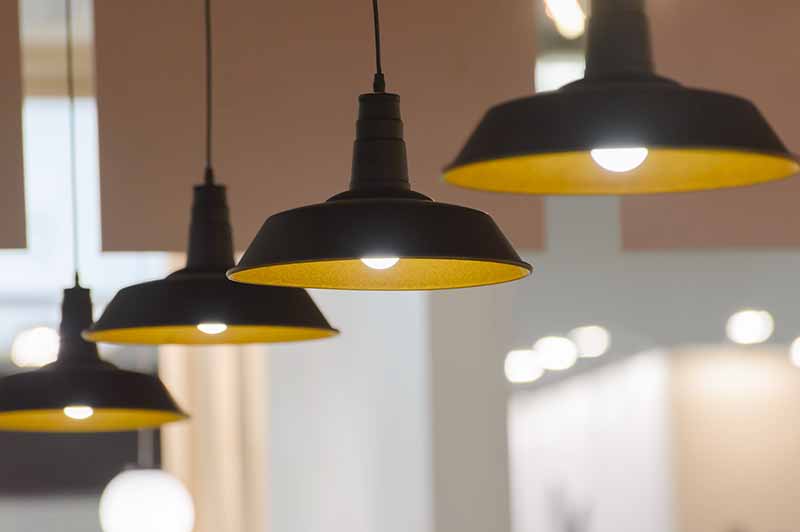
Lighting plays a big role in how your home looks and feels. The right LED lights can make a room feel warm and inviting, improve visibility for daily tasks, and even help reduce electricity bills. With so many options available today, choosing the right lights can feel confusing. When browsing an online led store, you’ll find a wide variety of bulbs, fixtures, and color options, each designed for different needs. Understanding a few basic factors can help you make the right choice for every room in your home.
Understand the Purpose of Each Room
The first step in choosing LED lights is to think about how each room is used. Different spaces need different types of lighting. A living room often needs soft, comfortable lighting for relaxation, while a kitchen requires brighter lights for cooking and cleaning. Bedrooms usually benefit from warm lighting that creates a calm atmosphere, while workspaces need bright and focused illumination to reduce eye strain. By matching the lighting to the purpose of the room, you can create a more comfortable and practical environment.
Choose the Right Brightness Level
Brightness is measured in lumens, not watts. Many people still think in terms of watts because of older incandescent bulbs, but lumens tell you how bright a light actually is. For example, a soft bedside lamp may only need around 400 to 800 lumens, while a kitchen or workspace might need 1500 lumens or more. Choosing the right brightness prevents rooms from feeling too dim or too harsh. When buying LED lights, always check the lumen rating on the packaging or product description.
Select the Best Color Temperature
Color temperature affects how a room feels. It is measured in Kelvin (K) and usually falls into three main categories. Warm white light, around 2700K to 3000K, creates a cozy and relaxing atmosphere and works well in bedrooms and living rooms. Neutral white light, around 3500K to 4100K, provides balanced lighting that is suitable for kitchens and bathrooms. Cool white or daylight lighting, around 5000K to 6500K, is bright and crisp, making it ideal for offices and study areas. Choosing the right color temperature helps set the mood and ensures the lighting suits the function of the space.
Pick the Right Bulb Type
LED lights come in many shapes and sizes. Standard bulbs are commonly used in lamps and ceiling fixtures. Spotlights are ideal for highlighting artwork or specific areas. Tube lights work well in kitchens and workspaces where even lighting is needed. Panel lights are popular for modern homes because they provide wide and uniform illumination. Understanding the different bulb types helps you select lights that fit both your fixtures and your lighting needs.
Consider Energy Efficiency
One of the biggest advantages of LED lighting is energy efficiency. LED bulbs use much less electricity than traditional bulbs and last significantly longer. This means fewer replacements and lower energy bills over time. When comparing products, look for energy ratings and estimated lifespan. A high-quality LED bulb may cost more initially but often saves money in the long run.
Think About Beam Angle
Beam angle determines how light spreads in a room. A narrow beam angle creates focused lighting, which is useful for highlighting specific areas or objects. A wider beam angle spreads light across a larger space, making it suitable for general room lighting. Choosing the right beam angle helps ensure that light is distributed evenly without creating dark spots or glare.
Check Compatibility with Fixtures
Not all LED bulbs fit every fixture, so it’s important to check compatibility before buying. Pay attention to the base type, bulb size, and fixture requirements. Some fixtures are designed for specific bulb shapes, and using the wrong type may result in poor lighting or improper fitting. Taking a moment to check these details can prevent frustration later.
Look for Dimmable Options
Dimmable LED lights give you more control over brightness levels. This can be useful in living rooms, dining areas, and bedrooms where lighting needs may change throughout the day. However, not all LED bulbs are dimmable, and some require compatible dimmer switches. If you want adjustable lighting, make sure both the bulb and switch support dimming.
Choose Quality Over Price
It can be tempting to choose the cheapest option available, but quality matters when it comes to LED lighting. High-quality bulbs usually provide better brightness, more accurate colors, and longer lifespans. They are also less likely to flicker or fail early. Investing in reliable products ensures consistent lighting and fewer replacements.
Plan Layered Lighting
A well-lit home often uses a combination of lighting types. Ambient lighting provides general illumination for the entire room. Task lighting focuses on specific activities such as reading or cooking. Accent lighting highlights decorative features or architectural details. Combining these layers creates a balanced and visually appealing space.
Think About Design and Style
LED lights are available in many designs that can complement your home’s style. Some fixtures have a modern and minimal look, while others are more decorative. Choosing lights that match your interior design helps create a cohesive appearance. Lighting should not only be functional but also enhance the overall look of your home.
Consider Smart Lighting Features
Many modern LED lights include smart features that allow you to control them with a phone or voice assistant. These lights can be scheduled to turn on or off automatically and adjusted for brightness or color. Smart lighting can add convenience and help save energy by ensuring lights are only used when needed.
Measure Before You Buy
Before purchasing LED lights, measure the space where they will be installed. This is especially important for ceiling lights, panel lights, and strip lights. Proper measurements ensure the lights fit well and provide the right amount of coverage. Planning ahead helps avoid the need for returns or replacements.
Final Thoughts
Choosing the right LED lights for your home doesn’t have to be complicated. By considering brightness, color temperature, bulb type, and room function, you can create a lighting setup that is both practical and comfortable. Exploring options through an online led store makes it easier to compare products and find the best fit for your needs. With the right choices, LED lighting can improve both the appearance and efficiency of your home.
