



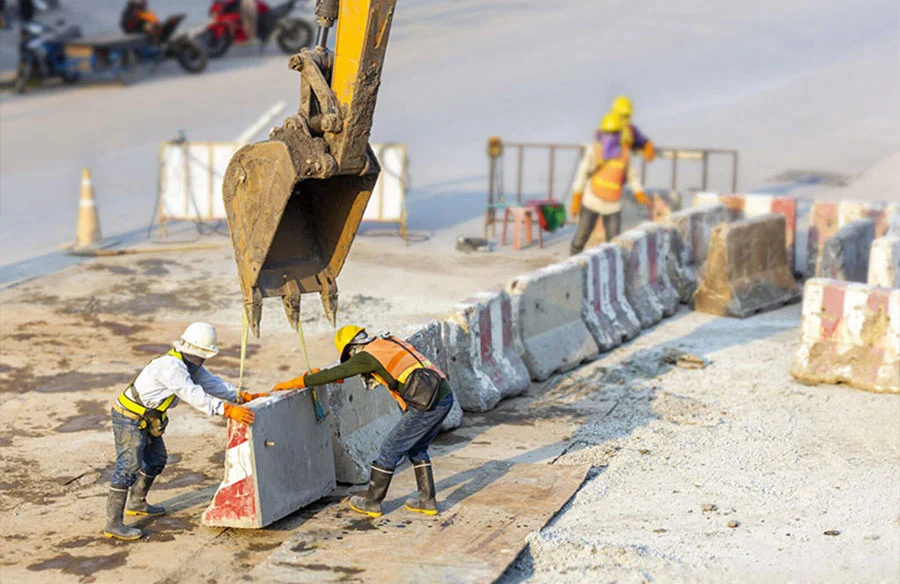
In the modern landscape of urban development and infrastructure repair, maintaining a secure perimeter is the most critical component of any project’s safety protocol. Contractors and site managers must prioritize the use of high-quality construction barriers to prevent unauthorized access and protect both workers and the general public from potential hazards. These tools serve as the first line of defense in complex environments, providing a clear visual cue that helps navigate pedestrian traffic away from heavy machinery and open excavations. By implementing a standardized system of physical boundaries, organizations can significantly mitigate liability risks while ensuring that day-to-day operations proceed without external interference.
The Role of Plastic Barricades in Modern Logistics
While traditional wood or heavy steel fencing once dominated the industry, there has been a significant shift toward durable, high-density polyethylene solutions. The reason for this transition is rooted in the practical demands of the construction and event industries. Modern barriers are designed to be lightweight enough for rapid deployment by a small crew, yet robust enough to withstand harsh environmental conditions, including high winds and UV exposure.
These barriers often feature interlocking designs, allowing for a continuous, gap-free wall that is much harder to breach than standalone cones or tape. For government and municipal agencies, the ability to quickly establish a secure line during roadwork or emergency utility repairs is vital for public safety and traffic flow management.
Versatility Across Industries
The utility of high-visibility barriers extends far beyond the traditional job site. Event planners and venue managers frequently utilize these tools to manage large crowds during outdoor festivals, marathons, or sporting events. Because these barriers are often available in high-visibility colors like safety orange, yellow, or white, they remain effective even in low-light conditions or high-traffic areas where visual clutter is prevalent.
Security and logistics companies also rely on these systems to define loading zones and restricted areas. The modular nature of these barriers means they can be reconfigured in minutes to accommodate changing site requirements, making them an essential asset for any temporary installation.
Compliance and Safety Standards
Meeting local and federal safety regulations is a non-negotiable aspect of choosing site hardware. High-quality barricades are often designed to meet specific crash-rating standards or visibility requirements set by departments of transportation. Using compliant equipment not only keeps the public safe but also protects the firm from the legal ramifications of accidents caused by inadequate signaling or porous perimeters.
When selecting hardware, decision-makers should look for features such as:
- Weighted Bases: To ensure stability in windy conditions without the need for permanent anchoring.
- Recessed Areas: For the application of reflective tape or warning lights.
- Flat-Foot Designs: To reduce tripping hazards for pedestrians walking adjacent to the work zone.
Conclusion
Investing in premium safety hardware is an investment in the project’s overall success and the community’s well-being. Whether managing a short-term municipal repair or a multi-year development project, the clarity and security provided by professional-grade equipment cannot be overstated. For those seeking reliable, industry-standard solutions that balance durability with ease of use, Epic Crowd Control offers a comprehensive range of equipment designed to meet the rigorous demands of today’s safety and logistics professionals.
