



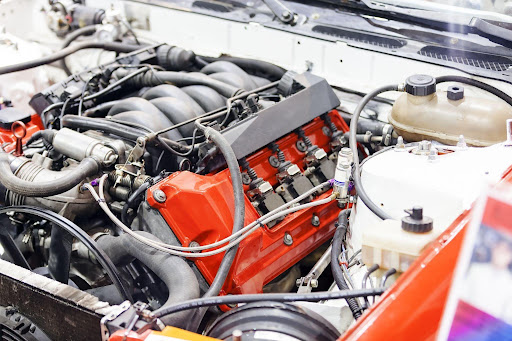
The first JDM engine I bought arrived on a pallet wrapped in shrink film and Japanese newspaper. I remember staring at it in my driveway for ten minutes before pulling out my phone to check the part number stamped on the block. I’d been planning the swap for six months. I’d watched every relevant YouTube video. I had the install manual printed and bound. And I still made about a dozen mistakes that cost me time, money, and sleep.
That was almost a decade ago. Since then I’ve helped friends and shop customers source dozens of JDM engines for everything from S-chassis Nissans to first-gen Mark IV Supras. The mistakes have a pattern. People do the same things wrong, over and over, and almost all of them are preventable with one good conversation up front.
Here’s what I’d tell anyone about to pull the trigger on their first import unit.
What did I get wrong about mileage?
I assumed lower was always better. That instinct is mostly right, but not the way I thought.
A 30,000-mile engine sitting in a Japanese yard for years isn’t the same as a 60,000-mile engine that ran consistently until the donor car got scrapped last month. Engines that sit don’t age well. Seals dry out. Internal corrosion sets in. The bearings can score on the first startup if oil hasn’t circulated in a long time.
What you actually want is recent activity. An engine with documented compression numbers from a recent test, a known pull date, and reasonable mileage in the 50,000 to 65,000 range will outlast a low-mileage unit of unknown provenance. Suppliers like jdmenginedirect.com have built their inventory standards around that exact mileage band for that reason.
Don’t chase the lowest odometer reading. Chase the most recent pull.
Why didn’t I check the harness?
This is the dumb mistake I made and almost everyone else makes too. JDM engines come with the engine harness used in the Japanese-market vehicle. That harness is not always wiring-compatible with the equivalent US-market chassis.
I learned this the hard way when my SR20DET arrived. The harness pinout for the JDM S14 differed in three places from the US-market S14 I was swapping into. Three days lost figuring out what should have been a thirty-second pre-purchase question.
If you’re swapping like-for-like into the same chassis, ask the supplier whether you should keep the JDM harness or buy the US harness separately. If you’re going cross-platform, you’re probably wiring it from scratch anyway, so it matters less. But ask before, not after.
How much should I budget for the install?
Whatever number you’re planning on, double it.
That sounds like a joke. It isn’t. The engine itself is one line item. The other line items add up fast. Engine mounts. Fluids. New gaskets. Oil pump. Timing belt or chain depending on the platform. Sensors that fail during install. The bracket that snapped during removal. The bolt that stripped. The header gasket you didn’t think you needed because the old one looked fine.
Most failed swaps don’t fail because the engine was bad. They fail because the budget ran out halfway through and the car sat for eight months waiting for the next paycheck. Buy the engine, then sit on it for a week and inventory what you actually need before pulling the old motor.
Was the warranty actually worth anything?
This depends entirely on who you bought from.
The 30-day or 90-day warranties most JDM importers offer are real. They cover compression, internal damage, and major mechanical failure. They don’t cover anything you damaged during install, anything you modified before testing, or anything you ran without checking oil first.
The first time I made a warranty claim, I was convinced the supplier would push back. They didn’t. They asked for compression numbers, timestamped photos of the engine in the test cell, and a clear description of the failure. Two weeks later I had a replacement on the way. The whole process worked because the supplier kept good intake records on the original unit and could verify it had passed compression testing on their end.
The lesson: do business with importers who document inventory properly. The cheapest unit on Craigslist might be sketchy provenance and zero recourse. The slightly pricier unit from an established supplier comes with paperwork that protects you when something goes wrong.
What about timing belts and other “maintenance items”?
Replace them. All of them. Before the engine goes in.
This is where I see otherwise smart people cut corners. A JDM engine has been sitting in a container, possibly for months. The timing belt might have been changed at 30,000 miles in Japan, but you don’t know exactly when. Pulleys, tensioners, water pump, valve cover gaskets, anything that’s easier to access with the engine on a stand than installed in the bay should be replaced or inspected as part of the prep work.
The cost is a few hundred dollars. The cost of doing it later, after the engine is in and you’ve put 500 miles on it, is the entire engine plus a tow bill.
Did I get the right gearbox with it?
Plenty of people focus so hard on the engine that they forget about what bolts up to it. JDM engines often come with the matching transmission as a package, but the gearing isn’t always identical to the US-market equivalent.
I made this mistake on my second swap. The transmission ratios on the JDM unit were taller than the US version. Felt sluggish off the line and revvier on the highway. I lived with it for a year before swapping the gearbox out.
If your build cares about gear ratio, look up the JDM transmission codes before you buy. Most reputable suppliers will tell you exactly which gearbox is mated to a given engine listing, and any decent salesperson will steer you toward the right combination if you describe the chassis.
Final thoughts before you click buy
JDM engine swaps work. They’ve been working for thirty years. The reason they sometimes go sideways is that buyers skip the boring parts of the process — verification, documentation, harness compatibility, install budget. None of those things are exciting. All of them save money.
Buy from a supplier with real inventory records. Replace anything maintenance-related before install. Budget for the parts you’re not thinking of yet. And if you’re standing in your driveway looking at a wrapped pallet wondering if you missed something, you probably did. Take the extra week. Check it twice.
The engine will be there when you’re ready.
