



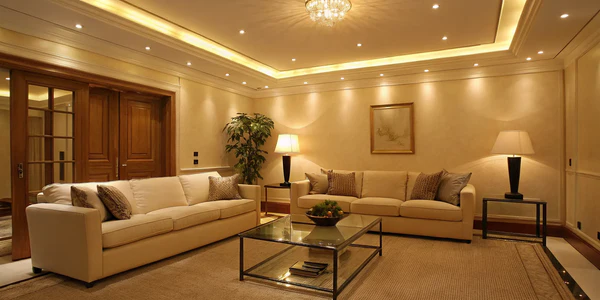
Recessed downlights, often called can lights or recessed lights, are a popular lighting choice in modern homes. They are installed directly into the ceiling, creating a clean and streamlined look without visible fixtures hanging down. For homeowners who want a balance of style, functionality, and space-saving design, recessed downlights are an excellent option.
This guide explains what recessed downlights are, how they work, their types, benefits, and how to choose the right ones for your home.
What Are Recessed Downlights?
Recessed downlights are light fixtures that are installed inside a hollow opening in the ceiling. Instead of protruding into the room like traditional light fixtures, they sit flush with the ceiling surface. When turned on, they shine light downward in a focused or wide beam, depending on the design.
Each recessed downlight typically consists of three main components: the housing, which is the part installed inside the ceiling; the trim, which is the visible portion; and the light source, usually an LED bulb or integrated LED module.
How Do Recessed Downlights Work?
Recessed downlights are wired into your home’s electrical system and are installed between ceiling joists. The housing contains the electrical connections and supports the light source. The trim helps direct the light and enhances the fixture’s appearance.
When switched on, the light is directed downward, providing ambient, task, or accent lighting depending on placement and beam angle. Modern recessed downlights often use LED technology, which is energy-efficient and long-lasting.
Types of Recessed Downlights
There are several types of recessed downlights available, each designed for specific uses and ceiling conditions.
New Construction Downlights
These are installed during the building phase or major renovations when the ceiling is open. They are attached directly to ceiling joists and offer more flexibility in placement.
Remodel Downlights
Remodel or retrofit downlights are designed for existing ceilings. They can be installed without removing large sections of the ceiling, making them ideal for upgrades.
IC-Rated and Non-IC Rated
IC-rated downlights are safe to use in ceilings where insulation is present, as they are designed to handle heat without causing hazards. Non-IC rated fixtures must be installed away from insulation to prevent overheating.
LED Recessed Downlights
These are the most common today. LED downlights are energy-efficient, produce less heat, and have a longer lifespan compared to traditional incandescent or halogen bulbs.
Adjustable and Gimbal Downlights
These fixtures allow you to direct light in specific directions. They are ideal for highlighting artwork, architectural features, or specific areas in a room.
Benefits of Recessed Downlights
Recessed downlights offer several advantages that make them a preferred choice for homeowners.
They provide a clean and modern appearance, as the fixtures are hidden within the ceiling. This makes rooms look more spacious and uncluttered. They are also versatile and can be used in living rooms, kitchens, bathrooms, and hallways.
Energy efficiency is another major benefit, especially with LED options. They consume less electricity and require less frequent replacement. Additionally, recessed downlights can be used to create layered lighting by combining ambient, task, and accent lighting in a single space.
Where to Use Recessed Downlights
Recessed downlights can be used in various areas of the home depending on lighting needs.
In living rooms, they provide even ambient lighting and can be paired with dimmers for adjustable brightness. In kitchens, they are commonly used for task lighting over countertops and islands. Bathrooms benefit from recessed lighting for a clean and moisture-resistant solution. Hallways and entryways also use recessed downlights to ensure consistent illumination without bulky fixtures.
How to Choose the Right Recessed Downlights
Selecting the right recessed downlights involves considering several factors.
Start with the size of the fixture. Common sizes range from 3 to 6 inches in diameter. Smaller lights are ideal for accent lighting, while larger ones are better for general illumination.
Next, consider brightness, measured in lumens. Higher lumens mean brighter light. Choose a suitable color temperature as well. Warm white creates a cozy atmosphere, while cool white or daylight tones are better for task-oriented spaces like kitchens.
Beam angle is another important factor. A narrow beam focuses light on a specific area, while a wide beam spreads light across a larger space. Also, consider whether you need dimmable lights for added flexibility.
Installation Considerations
Proper installation is crucial for safety and performance. It is important to check ceiling type, insulation, and available space before installation. For new installations, planning the layout in advance ensures even lighting distribution.
Spacing between downlights is also important. A general rule is to space them about half the ceiling height apart for balanced illumination. For example, in an 8-foot ceiling, lights should be about 4 feet apart.
If you are not experienced with electrical work, hiring a professional electrician is recommended to ensure safe and compliant installation.
Common Mistakes to Avoid
One common mistake is installing too many or too few lights, which can result in uneven lighting. Another issue is choosing the wrong color temperature, which can affect the mood and functionality of the space.
Improper placement can also create shadows or glare. Additionally, ignoring insulation compatibility can lead to overheating and safety risks. Always ensure you select the right type of fixture for your ceiling conditions.
Conclusion
Recessed downlights are a practical and stylish lighting solution for modern homes. They offer a clean look, flexibility in design, and energy efficiency, making them suitable for almost any room. By understanding the different types, benefits, and installation considerations, homeowners can make informed decisions and create well-lit, comfortable living spaces.
