



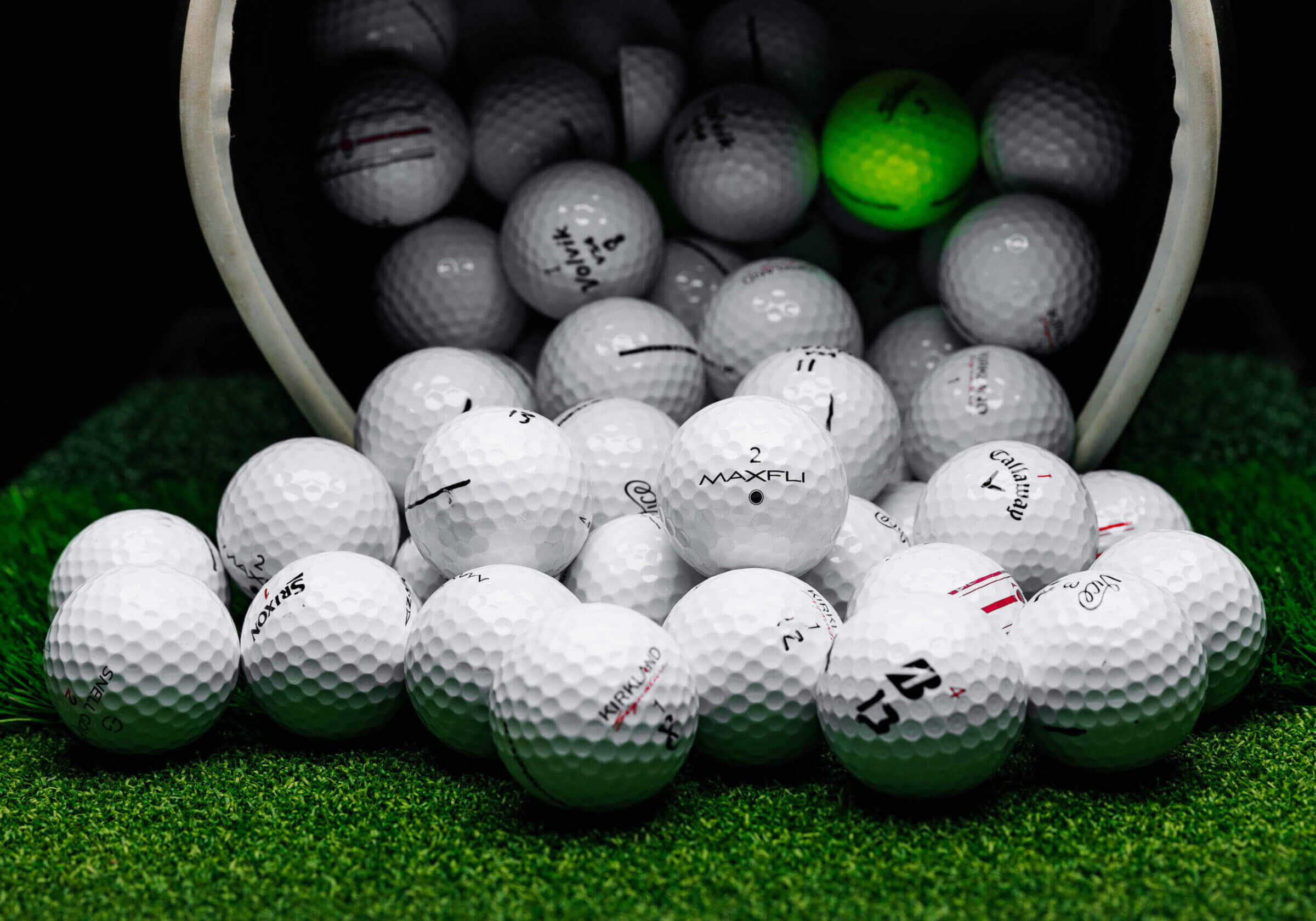
Every golfer understands that equipment decisions directly influence performance. While drivers and irons often receive the most attention, the golf ball is the only piece of equipment used on every shot. Selecting from the many available Golf Balls for Sale requires more than simply choosing a recognizable name. Construction, materials, and performance characteristics all play a crucial role in determining how the ball will behave from tee to green.
For everyday golfers and competitive players alike, understanding what separates one model from another can lead to smarter decisions — and ultimately, lower scores.
Why the Right Golf Ball Matters
Golf balls are engineered with specific performance goals in mind. Some prioritize distance, others emphasize spin control, and premium designs attempt to balance both. When you choose a ball that complements your swing and playing style, you gain consistency and predictability — two elements that are essential in golf.
A properly matched golf ball can help you:
- Maximize carry distance
- Reduce excessive driver spin
- Improve stopping power on approach shots
- Gain better feel around the greens
- Build confidence on putts
Rather than adjusting your swing to compensate for ball performance, the right choice supports your natural mechanics.
Understanding Golf Ball Construction
When browsing golf balls for sale, you will encounter various construction types. The number of layers within a ball significantly affects its behavior.
Two-Piece Golf Balls
These are typically designed for durability and distance. They feature a solid core and a durable cover, making them a popular option for beginners or high-handicap golfers.
Three-Piece Golf Balls
These models add an additional mantle layer between the core and cover. This extra layer allows for better spin control and improved feel compared to basic two-piece options.
Four-Piece and Multi-Layer Golf Balls
Advanced multi-layer construction separates driver spin from wedge spin, delivering low spin off the tee and higher spin into the greens. These are often preferred by golfers seeking tour-level performance characteristics.
Understanding how each layer functions can help you narrow your selection and focus on performance rather than branding alone.
Key Performance Factors to Evaluate
When comparing golf balls, it is important to evaluate specific characteristics that impact your game.
Distance
Distance is influenced by compression and core design. Golfers with faster swing speeds often benefit from balls designed to maximize energy transfer at impact.
Spin Control
Spin affects trajectory and stopping power. Lower spin off the driver reduces slices and hooks, while higher spin with wedges improves control on approach shots.
Feel
The cover material, often urethane in premium balls, influences softness and feedback. A softer feel enhances short-game precision and putting confidence.
Trajectory Stability
Advanced dimple patterns reduce drag and improve aerodynamic stability. This ensures consistent flight even in windy conditions.
By focusing on these factors, golfers can make informed purchasing decisions rather than selecting based on price alone.
Matching the Ball to Your Swing
One of the most overlooked aspects of buying golf balls is matching the model to your swing speed and playing style.
- Higher swing speeds often benefit from firmer cores that optimize compression.
- Moderate swing speeds may perform better with slightly softer constructions.
- Players who rely on short-game precision should prioritize urethane-covered models.
- Golfers focused on maximizing distance should look for low driver-spin designs.
Consistency is also critical. Switching between different golf ball models frequently can lead to inconsistent yardages and unpredictable spin rates. Sticking with one well-suited option allows you to better understand how the ball reacts in various situations.
The Advantage of Buying Direct
The golf equipment market has evolved in recent years. Direct-to-consumer brands have reduced unnecessary retail markups, allowing golfers to access premium-quality construction at more competitive price points.
This shift benefits everyday golfers who want performance without overpaying for marketing. Instead of reserving high-performance balls for tournaments, players can use them regularly — building familiarity and improving confidence over time.
When evaluating where to purchase, consider:
- Transparency in product design
- Clear performance descriptions
- Consistent quality standards
- Value relative to construction
These factors often matter more than large retail presence.
Making a Confident Decision
Choosing from the many golf balls available does not need to be overwhelming. By understanding construction, performance characteristics, and how they relate to your swing, you can narrow your options effectively.
The goal is not simply to find golf balls at a good price, but to select a model that enhances your strengths and minimizes weaknesses. Over the course of a season, that strategic choice can translate into improved scoring consistency.
For golfers seeking performance-driven design with a focus on engineering and value, Snell Golf offers a lineup developed specifically for players who demand distance, control, and reliability in every round.
If you are ready to upgrade your equipment strategy, explore your options carefully and choose a golf ball that works as hard as you do on the course. The right decision today can lead to measurable improvements in tomorrow’s scorecard.
