



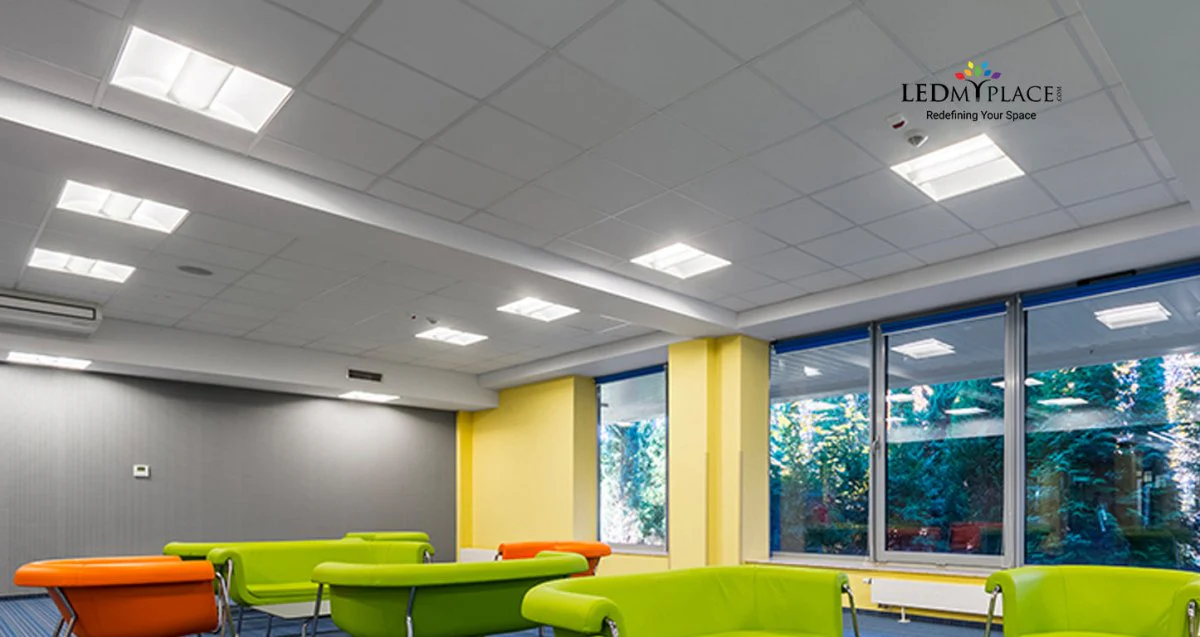
Lighting has always shaped how we experience our spaces—whether in an office, classroom, or retail environment. Today, one innovation is redefining ceilings everywhere: LED troffers. These efficient, sleek, and adaptable fixtures are quickly replacing outdated fluorescent systems. And honestly, it’s not hard to see why.
Key Highlights
- LED troffers cut energy costs by up to 60% compared to fluorescents.
- They deliver superior light quality and uniform illumination.
- Low maintenance means fewer replacements and reduced operational costs.
- Available in modern, slim profiles for a clean ceiling look.
- Ideal for offices, schools, healthcare facilities, and commercial spaces.
Why Ceiling Lighting Needed a Change
We’ve all worked under buzzing fluorescent tubes that flicker just enough to give us headaches. Traditional ceiling lights were functional—but inefficient, high-maintenance, and often unflattering. When LED technology matured, it opened the door for something better. LED troffers entered the scene as the modern answer to a decades-old problem: how to make ceiling lighting energy-smart, long-lasting, and visually comfortable.
Fluorescents had their time, but they can’t compete with LEDs’ lifespan, brightness control, and eco-friendliness. With energy costs climbing and sustainability becoming a business priority, more organizations are making the shift.
The Rise of LED Troffers
So, what makes LED troffers the future of ceiling lighting? It’s not just about energy savings—though that’s a big part of it. It’s about performance, design flexibility, and user comfort.
Modern LED troffers provide bright yet soft illumination that evenly lights up a room without harsh shadows. Many models come with tunable white or dimming options, letting us control brightness and color temperature throughout the day. That’s a major win for productivity and mood—especially in workplaces and schools where lighting impacts focus and comfort.
These fixtures also align with green building standards. Their energy efficiency contributes to LEED points and helps meet sustainability goals.
Energy Efficiency That Pays Off
We’ve all heard about LEDs saving power—but the numbers behind LED troffers are impressive. By consuming roughly half the energy of traditional fluorescents, they directly reduce monthly utility bills. Multiply that across hundreds of fixtures in an office or warehouse, and the savings become substantial.
Plus, LEDs generate less heat, meaning HVAC systems don’t work as hard to maintain comfortable indoor temperatures. It’s a subtle but meaningful secondary benefit that boosts overall energy performance.
Longevity That Lowers Maintenance Costs
Fluorescent tubes burn out frequently, requiring replacements and maintenance downtime. LED troffers, on the other hand, can last 50,000 hours or more. That’s years of consistent performance without constant attention.
For facility managers, fewer replacements mean lower maintenance budgets and less disruption. In large commercial settings, that reliability can make a measurable difference in both cost and convenience.
Design That Works for Modern Spaces
LED troffers aren’t just efficient—they’re sleek. Their thin, modern profiles blend seamlessly with drop ceilings and complement contemporary architecture. Many are available in recessed, surface-mounted, or suspended configurations, offering flexibility for different ceiling layouts.
Unlike bulky fluorescent fixtures, LED troffers distribute light evenly, making spaces feel brighter, cleaner, and more open. In offices, that translates to better aesthetics and a more professional atmosphere.
Better Light Quality, Better Environments
Light quality matters more than most people realize. Poor lighting can strain eyes, cause fatigue, and even affect mood. LED troffers produce a uniform, glare-free light with high color rendering accuracy—bringing out the natural tones of furniture, walls, and work materials.
They also eliminate the flicker and hum that fluorescent systems are notorious for. The result? A more comfortable, visually balanced environment where we can work or learn with less strain and more focus.
Smart Controls and Sustainability
Many newer LED troffers integrate seamlessly with smart lighting systems. From motion sensors to daylight harvesting and programmable controls, they offer automation that enhances efficiency and user experience.
Imagine walking into an office where lights adjust automatically to the time of day or occupancy level. It’s not just convenient—it’s part of a broader move toward intelligent, sustainable buildings.
And when it comes to sustainability, LED troffers are hard to beat. They’re mercury-free, produce less waste, and help businesses meet energy codes and green certifications.
The Subtle Advantage for Businesses
Upgrading to LED troffers isn’t just a lighting decision—it’s a business strategy. Companies that switch enjoy lower operational costs, improved employee comfort, and stronger environmental credentials. Those benefits also appeal to clients and investors who value responsible, forward-thinking operations.
We’ve seen time and again how lighting improvements lead to higher morale and productivity. When spaces look and feel better, people perform better. LED troffers bring that advantage effortlessly.
A Future Built on Efficiency and Comfort
Ceiling lighting is evolving rapidly, and LED troffers represent the next generation of illumination. They combine practicality with performance, delivering everything modern spaces need—efficiency, comfort, and control.
As technology continues to advance, we can expect even smarter, more adaptable versions with integrated sensors and connectivity features. But the core promise remains the same: brighter, cleaner, and more sustainable lighting for every ceiling.
For businesses looking to upgrade their lighting system, LED troffers are more than an option—they’re the future. And the best time to make that switch is now.
Frequently Asked Questions
- What are LED troffers?
LED troffers are rectangular or square ceiling light fixtures designed for drop or grid ceilings. They use LED technology to provide bright, energy-efficient illumination for commercial and institutional spaces. - How long do LED troffers last?
Most LED troffers last 50,000 hours or more—significantly longer than traditional fluorescent lights, which usually last about 10,000 to 15,000 hours. - Can LED troffers work with dimmers or sensors?
Yes. Many LED troffers are compatible with dimmers, motion sensors, and smart control systems, making them ideal for modern, automated environments. - Are LED troffers worth the investment?
Absolutely. While the upfront cost is higher than fluorescents, the long lifespan, reduced energy use, and minimal maintenance make LED troffers a cost-effective choice in the long run. - Where are LED troffers commonly used?
You’ll find LED troffers in offices, schools, hospitals, retail stores, and other commercial buildings where consistent, uniform lighting is essential.
